
In our previous posts, we explored the foundational importance of change management, the five critical components of your change architecture, how to synchronize technical and human timelines, and strategies for effective training. Now, we arrive at what may be the most crucial phase of transformation—the handoff that ensures change outlives your project.
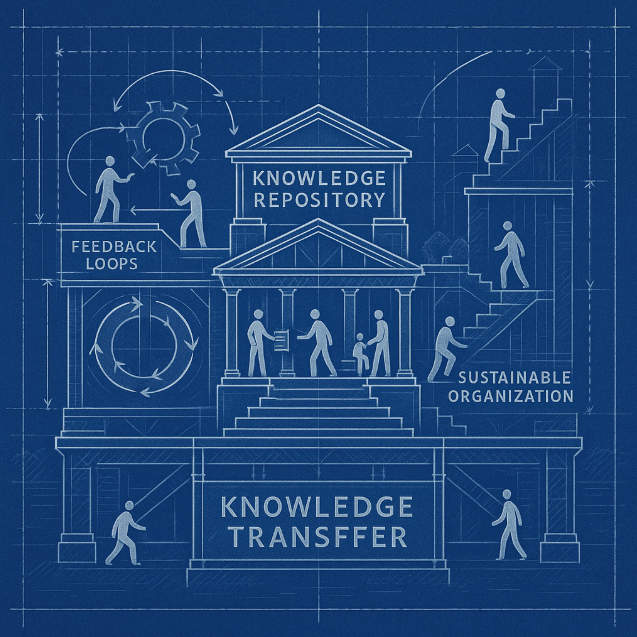
The Handoff Paradox: When Success Becomes Vulnerability
There’s a profound irony in the typical transformation timeline: just as the system goes live and users begin applying new skills in real environments, the support infrastructure that guided the change starts to dismantle. Project teams disperse, consultants depart, and leadership attention shifts to the next initiative.
This creates a dangerous gap precisely when users are most vulnerable—when they’re translating learning into practice and encountering real-world challenges that no training program could fully anticipate.
As our source document emphasizes: “At the end of each project, the goal is to create a repository of shared knowledge that is easily accessible to project stakeholders. This may include technical documentation, requirements, and training materials that will facilitate system maintenance post-project.”
Yet many organizations treat this critical handoff as a mere documentation exercise—creating repositories that are comprehensive but static, transferring artifacts but not insights, and focusing on technical documentation while neglecting the human elements that drive adoption.
Beyond Documentation: Creating Living Knowledge Ecosystems
The most successful transformations recognize that effective knowledge transfer isn’t about creating the perfect set of documents—it’s about establishing living ecosystems that continue to evolve after the project ends.
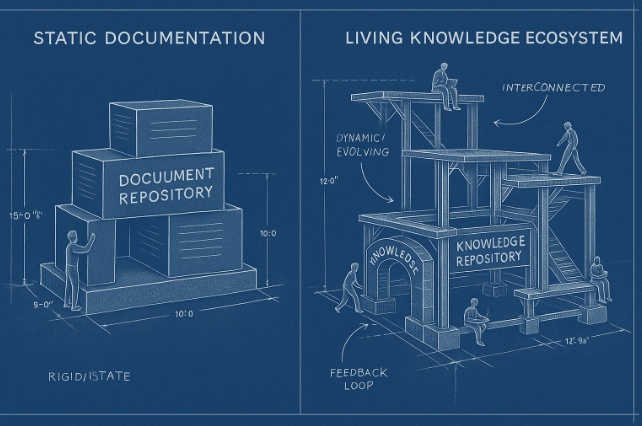
Figure 1: Documentation vs. Knowledge Ecosystem Comparison
Traditional Approach
- Creates comprehensive documentation at project completion
- Focuses primarily on technical specifications and procedures
- Stores information in centralized repositories
- Treats knowledge as a deliverable to be handed off
- Assumes stability in both system and user needs
Knowledge Ecosystem Approach
- Builds knowledge-sharing mechanisms throughout the project
- Balances technical documentation with experiential insights
- Distributes knowledge across multiple access points and formats
- Treats knowledge as a capability to be cultivated
- Anticipates ongoing evolution of both system and user needs
This ecosystem approach recognizes that knowledge isn’t just captured—it’s created through interaction, application, and reflection. The goal isn’t just to document what was built but to equip the organization to continue learning and adapting as needs evolve.
The Four Elements of Organizational Muscle Memory
Just as individuals develop muscle memory through repetition and practice, organizations develop collective capabilities that become embedded in their operations. These capabilities determine whether changes remain superficial or become deeply integrated into how work gets done.
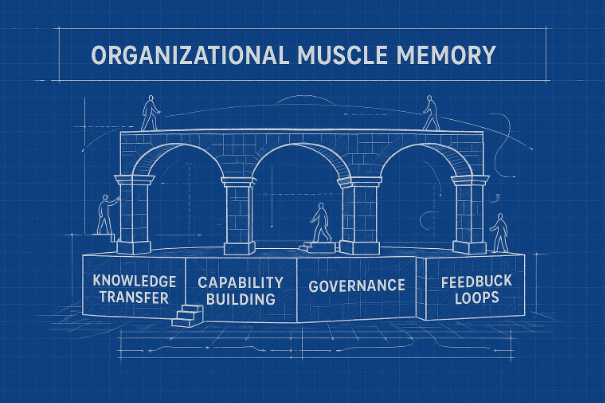
Figure 2: Organizational Muscle Memory Blueprint
1. Knowledge Transfer Beyond Documentation
Effective knowledge transfer requires multiple mechanisms that capture both explicit and tacit knowledge:
Knowledge Repository
- Create a centralized, searchable location for project documentation
- Include both technical specifications and business process information
- Organize content for easy navigation and retrieval
- Establish updating mechanisms to keep content current
Contextual Knowledge Capture
- Document the “why” behind decisions, not just the “what”
- Capture lessons learned and implementation insights
- Record common issues and their resolutions
- Preserve historical context that informs future decisions
Experiential Knowledge Exchange
- Create forums for sharing practical experiences and insights
- Facilitate storytelling that conveys nuanced understanding
- Document workarounds, shortcuts, and practical tips
- Capture both successes and failures as learning opportunities
Relationship Networks
- Map key knowledge holders and their areas of expertise
- Create connections between business and technical experts
- Maintain relationships with external partners who contributed to the project
- Establish clear pathways for accessing specialized knowledge
As our source emphasizes: “Our goal is to create a repository of shared knowledge that is easily accessible to project stakeholders… All pieces of existing documentation is updated based on the new project specifications.”
2. Capability Building for Sustainability
Sustainable change requires not just knowledge but the capability to apply, adapt, and evolve that knowledge over time:
Super User Network
- Identify and develop internal experts who can support ongoing adoption
- Provide enhanced training on both system functionality and coaching skills
- Create clear roles and responsibilities for ongoing support
- Establish recognition mechanisms that validate expertise and contribution
Leadership Capacity
- Equip managers with skills to guide teams through ongoing adjustment
- Develop change leadership capabilities within middle management
- Create alignment on priorities and success metrics
- Build coaching skills that reinforce desired behaviors
Continuous Learning Infrastructure
- Establish mechanisms for onboarding new users after go-live
- Create refresher resources for existing users
- Develop advanced training for expanding capabilities
- Build forums for sharing emerging best practices
Adaptability Systems
- Create processes for identifying and responding to emerging needs
- Develop capabilities for continuous improvement
- Build skills for assessing and implementing system enhancements
- Establish mechanisms for incorporating user feedback
3. Governance for Continuous Evolution
While initial governance focuses on project delivery, sustainable change requires governance structures that support ongoing evolution:
Operational Governance
- Transition from project governance to operational oversight
- Establish clear ownership for system and process components
- Define decision rights for future enhancements and changes
- Create mechanisms for resolving cross-functional issues
Performance Management Integration
- Align individual and team performance metrics with new ways of working
- Integrate system usage and process adherence into performance discussions
- Create accountability for contributing to continuous improvement
- Establish recognition mechanisms that reinforce desired behaviors
Resource Allocation Systems
- Secure ongoing resources for system maintenance and enhancement
- Establish processes for prioritizing competing needs
- Create mechanisms for addressing emerging challenges
- Develop funding models that support continuous improvement
Policy and Procedure Alignment
- Update formal policies to reflect new processes and systems
- Align standard operating procedures with transformed ways of working
- Ensure consistency between system capabilities and procedural requirements
- Establish processes for updating documentation as practices evolve
As our source notes: “We ensure that the business is updating its internal policies and procedures (and quality assurance processes) accordingly. These future-state processes need to be converted into standard operating procedures, and the implementation needs equal oversight, management and quality assurance.”
4. Feedback Loops for Continuous Improvement
Sustainable change requires mechanisms that capture insights, identify challenges, and drive ongoing improvement:
User Feedback Systems
- Create multiple channels for users to share experiences and suggestions
- Establish regular touchpoints with different user groups
- Provide mechanisms for reporting issues and challenges
- Design processes for prioritizing and addressing feedback
Performance Monitoring
- Establish metrics that track both system usage and business outcomes
- Create dashboards that provide visibility into adoption patterns
- Identify leading indicators of potential adoption challenges
- Develop mechanisms for investigating performance variances
Continuous Improvement Processes
- Implement systematic approaches to identifying enhancement opportunities
- Create mechanisms for testing and validating potential improvements
- Establish clear pathways for implementing validated enhancements
- Develop feedback loops that assess the impact of implemented changes
Learning Capture
- Design processes for documenting and sharing emerging insights
- Create mechanisms for updating training and support resources
- Establish communities of practice for ongoing knowledge exchange
- Develop approaches for incorporating experiential learning into formal resources
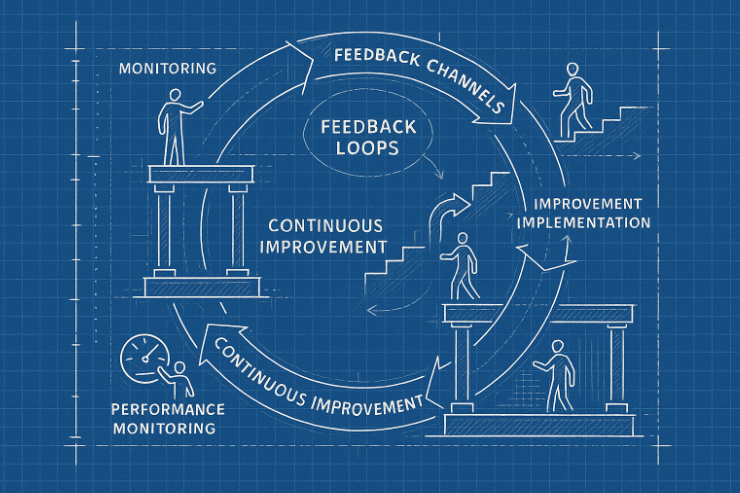
Figure 3: Feedback Loops Blueprint
Measuring Adoption and Business Value Realization
Traditional project metrics focus on implementation milestones: system go-live, training completion, initial usage statistics. While these provide valuable insight into launch success, they reveal little about whether the change is becoming embedded in the organization’s DNA.
Sustainable change requires a measurement framework that extends beyond implementation to assess both adoption depth and business value realization:
Adoption Depth Metrics
Usage Patterns
- System login frequency and duration
- Feature utilization rates
- Process compliance metrics
- Workaround prevalence
User Experience
- Confidence levels in new processes
- Time required to complete key tasks
- Error rates and correction patterns
- Support request volume and type
Behavioral Indicators
- Observable changes in work routines
- Collaboration patterns within and across teams
- Information sharing behaviors
- Problem-solving approaches
Continuous Improvement Engagement
- Suggestion submission rates
- Participation in improvement initiatives
- Implementation of user-generated enhancements
- Knowledge sharing activity
Business Value Realization Metrics
Operational Outcomes
- Process efficiency improvements
- Quality and accuracy metrics
- Cycle time reductions
- Resource utilization patterns
Financial Impacts
- Cost savings realization
- Revenue enhancement
- Return on investment calculation
- Total cost of ownership tracking
Customer Experience
- Customer satisfaction metrics
- Service level achievement
- Issue resolution time
- Customer retention and expansion
Strategic Advancement
- Progress toward strategic objectives
- Competitive positioning improvements
- New capability development
- Innovation capacity enhancement
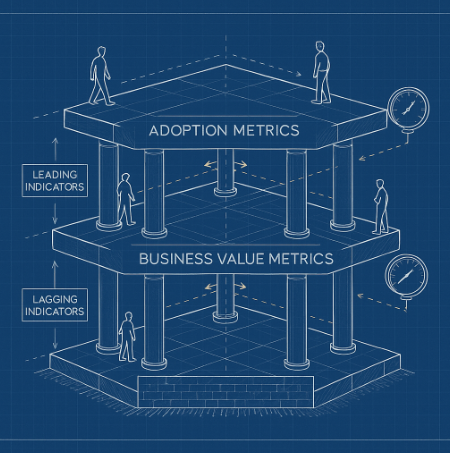
Figure 4: Measurement Framework Blueprint
This comprehensive measurement approach provides ongoing insight into whether your transformation is delivering sustainable value. It creates visibility into both current state and trends, enabling targeted interventions when adoption challenges emerge or value realization lags.
Creating a Culture of Sustainable Change
The ultimate goal of effective handoff isn’t just to sustain a single transformation but to build organizational capabilities that make future changes more effective. Organizations that master this transition don’t just deliver successful projects—they create cultures of sustainable change.
These cultures exhibit several distinctive characteristics:
Continuous Learning Orientation
- Changes are viewed as ongoing journeys rather than discrete events
- Experimentation and adjustment are expected and encouraged
- Lessons from implementation inform ongoing improvements
- Knowledge sharing becomes a valued organizational behavior
Distributed Change Leadership
- Change capabilities exist at multiple organizational levels
- Managers are equipped to guide teams through ongoing adjustments
- Frontline staff actively participate in identifying improvement opportunities
- Support networks emerge organically as needs arise
Integration of Change and Operations
- Change activities are embedded in operational rhythms
- Performance management reinforces new behaviors and practices
- Resource allocation supports continuous improvement
- Decision processes balance stability and innovation
Reduced Change Resistance
- New initiatives build on established change capabilities
- Organizational confidence in change competence grows over time
- Historical success creates positive expectations for future changes
- Change fatigue decreases as transformation becomes a way of working
By focusing on these cultural elements during handoff, organizations create foundations that extend beyond the current transformation to support ongoing evolution and adaptation.
The Karma Advisory Approach: Setting Organizations Up for Sustained Success
At Karma Advisory, our approach to knowledge transfer and organizational sustainability is driven by a commitment to long-term client success. As our source material emphasizes: “Our goal is to set you up to continue to implement the training plan even after we finish the project.”
This commitment shapes our entire engagement model, from initial discovery through implementation and transition:
Create training manuals and material development: We develop comprehensive, user-friendly documentation that serves as both learning tools and ongoing reference materials.
Determine training schedule: We design learning experiences that build capabilities progressively, ensuring organizations have the skills needed for both implementation and ongoing evolution.
Develop a capability building toolkit: We create the resources organizations need to sustain momentum after our engagement ends, including train-the-trainer materials and super user development approaches.
Implement training plan: We deliver hands-on learning that builds both understanding and confidence, ensuring team members can operate effectively in the transformed environment.
Support organizational shifts: We help establish clear roles and responsibilities for the post-implementation environment, ensuring the organizational structure supports ongoing success.
This comprehensive approach recognizes that our true measure of success isn’t what happens during our engagement but what happens after we leave. By designing for sustainability from the beginning, we help ensure that the changes we implement together deliver lasting value.
Conclusion: The Human Blueprint for Lasting Transformation
As we conclude our series on the Human Blueprint, it’s worth reflecting on the journey we’ve taken together. We’ve explored how change management provides the essential foundation for transformation success, the five critical components of your change architecture, strategies for synchronizing technical and human timelines, approaches for effective training, and now, the critical handoff that ensures change outlives your project.
Throughout this exploration, one theme has remained constant: transformation isn’t fundamentally about technology or systems—it’s about people and the organizational capabilities that enable them to work differently. The most elegant technical solutions deliver value only when people embrace new ways of working, thinking, and collaborating.
As you approach your own transformation initiatives, we encourage you to keep this human-centered perspective at the forefront. Build your change architecture with the same care and rigor you apply to your technical architecture. Synchronize your technical and human timelines to create an integrated journey. Design training that builds real capabilities, not just system knowledge. And most importantly, create handoff mechanisms that ensure your changes become embedded in the organizational DNA.
By approaching transformation through this human blueprint, you create the foundations for not just successful projects but sustainable organizational evolution that delivers lasting value.
This concludes our “Human Blueprint” series—a journey through the architecture of change that builds organizations ready for digital transformation.
What has been your experience with the handoff phase of transformation? What approaches have you found most effective in ensuring changes outlive the project team? Share your experiences in the comments below.