
In our previous posts, we explored the foundational importance of change management and the five critical components of your change architecture. Now we turn to a challenge that derails even well-designed transformations: the integration of technical and human timelines.
The Integration Problem: Parallel Paths vs. Unified Journey
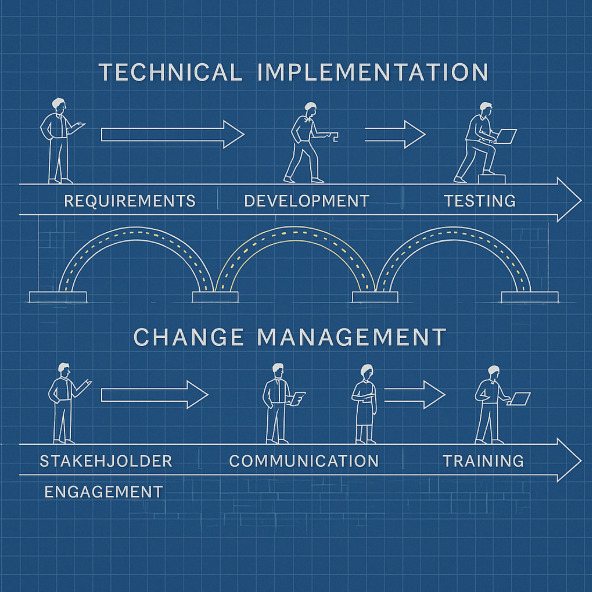
Most organizations approach transformation through two parallel but separate workstreams: a technical track focused on system implementation and a change management track focused on people. These tracks operate with their own timelines, deliverables, and measures of success—often intersecting only at major milestones like go-live.
This separation creates artificial boundaries between “technology work” and “people work,” often resulting in change activities that are too little, too late. When the technical team proudly announces they’re “on schedule,” they’re usually referring only to system readiness, not human readiness.
The consequences of this disconnect are predictable:
- Systems launch with technical perfection but human hesitation
- User adoption lags behind implementation timelines
- Business benefits are delayed or diminished
- Resistance and workarounds undermine intended process changes
The Synchronization Secret: Business Team Engagement Across the SDLC
The most successful transformations recognize that change management isn’t a separate workstream but an integral part of the entire System Development Life Cycle (SDLC). They deliberately synchronize technical and human elements from the earliest stages, creating an integrated journey with multiple touchpoints.
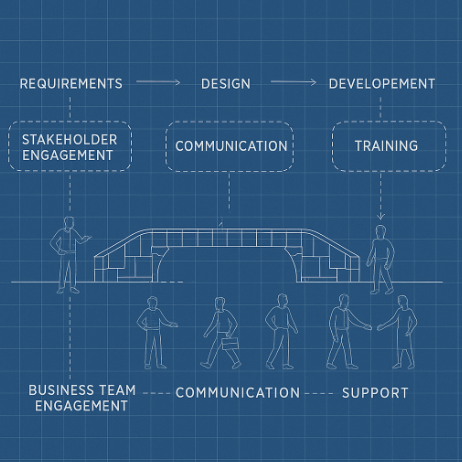
Figure 1: SDLC Phases
As our source material emphasizes: “At Karma, we believe that implementing a piece of technology is only one aspect of a digital transformation solution. The other key area is change management. Our approach is to have important conversations – early and continually to prepare, execute and keep improving.”
This integration ensures there is a mutual understanding of both technical and business processes, with critical change deliverables tied directly to the technology team’s process.
Critical Synchronization Points in Your Transformation Timeline
Let’s examine the five most powerful synchronization points where technical and change activities can reinforce each other:
1. Requirements and Design: The Foundation for Both Systems and Behaviors
Most organizations view requirements gathering as a purely technical exercise—documenting system functionality, data needs, and integration points. But this phase also represents a critical opportunity for change groundwork.
Traditional Approach: Business analysts document requirements with minimal discussion of operational implications or behavioral changes.
Synchronized Approach: Requirements workshops become forums for deeper conversations about:
- How current processes will evolve in the future state
- Which roles will experience the most significant changes
- What new skills or behaviors will be required
- Where potential resistance might emerge
These conversations lay the foundation for both system design and change strategy, ensuring technical requirements align with human realities.
2. Current-State/Future-State Process Mapping: The Change Blueprint
Process mapping is often treated as a technical documentation exercise. But when approached thoughtfully, it becomes a powerful change tool that helps people visualize and prepare for their future roles.
Traditional Approach: Technical teams document current and future processes to guide development, with minimal stakeholder involvement beyond initial input.
Synchronized Approach: Process mapping becomes a collaborative exercise that:
- Creates traceability from current to future state
- Helps stakeholders understand the “why” behind process changes
- Identifies specific behavioral shifts required for success
- Surfaces potential adoption challenges early
- Provides the foundation for training and communication
As our source emphasizes: “From the onset, we work with the program to ensure there is traceability from current to future state; and, ensure that the business is updating its internal policies and procedures (and quality assurance processes) accordingly.”
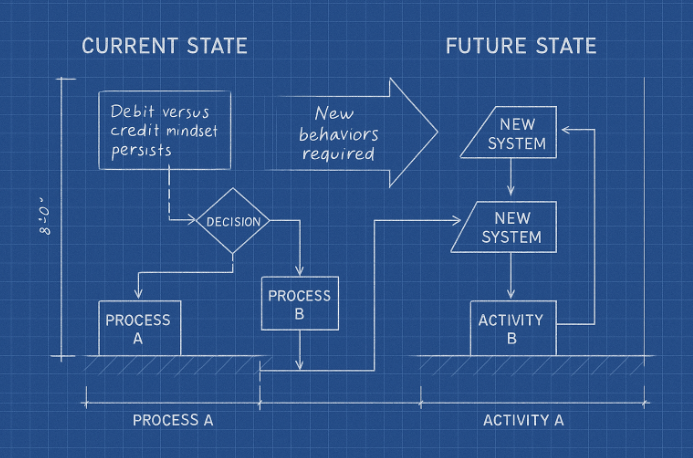
Figure 2: Transition from Current to Future-State Processes
3. Development Sprints: Building Change Capacity Incrementally
In agile environments, development sprints focus on creating working system components. These same cycles can build change capacity incrementally when properly leveraged.
Traditional Approach: Sprints focus exclusively on technical deliverables, with change activities deferred until closer to implementation.
Synchronized Approach: Each sprint incorporates change elements:
- Demo sessions become opportunities for stakeholder engagement and feedback
- Early versions of training materials are developed alongside system components
- Change impacts are assessed and refined based on actual system functionality
- Change champions participate in review sessions to build their understanding and ownership
This synchronized approach builds change momentum incrementally rather than attempting to create it all at once near go-live.
4. User Acceptance Testing: The Ultimate Change Opportunity
User acceptance testing (UAT) is perhaps the most powerful synchronization point in the entire transformation journey. What appears to be a technical validation exercise is actually an incredible change management opportunity.
Traditional Approach: UAT focuses narrowly on confirming that the system works as specified, with minimal attention to user experience or adoption readiness.
Synchronized Approach: UAT becomes a multi-faceted change activity:
- Users gain hands-on experience with the system in a safe environment
- Change champions develop deeper system knowledge they can share with peers
- Training materials are validated and refined based on user experiences
- Potential adoption challenges are identified and addressed before go-live
- Users become invested in system success through their testing contributions
As our source emphasizes: “We have found that creating a robust and inclusive user acceptance testing process gives all parties the best chance of success.”
5. Post-Implementation Support: The Sustainability Bridge
Most transformations maintain technical support after go-live but scale back change support precisely when it’s most needed—during the critical adoption period when users are translating training into daily practice.
Traditional Approach: Post-implementation focuses primarily on technical issues and bug fixes, with change support limited or nonexistent.
Synchronized Approach: Post-implementation includes integrated technical and change support:
- Super users provide both technical assistance and adoption coaching
- Feedback channels capture both system issues and user challenges
- Technical refinements address both functionality needs and adoption barriers
- Success stories and early wins are celebrated to reinforce desired behaviors
- Performance support tools bridge the gap between training and application
This integrated approach recognizes that sustainable adoption requires ongoing support for both technical and human aspects of the transformation.
From SDLC to Integrated Transformation Timeline
When these synchronization points are embedded in your project plan, the traditional SDLC transforms into an integrated transformation timeline that addresses both technical and human readiness.
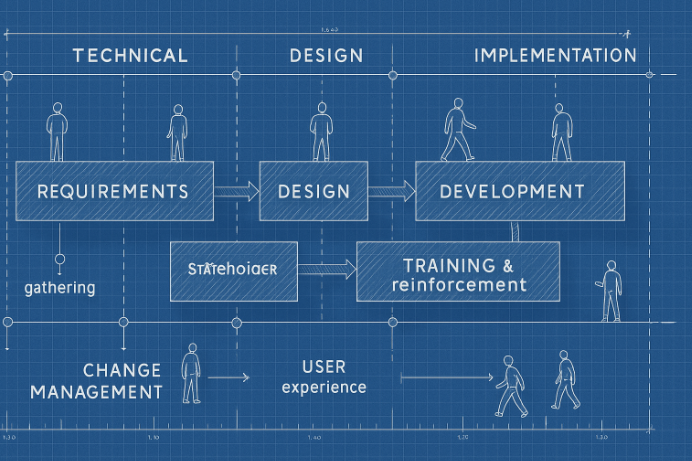
Figure 3: Integrated Transformation Timeline
This integration offers significant benefits:
- Reduced Risk: Technical and adoption risks are identified and addressed earlier
- Accelerated Benefits: User adoption begins sooner, driving faster value realization
- Enhanced Quality: User feedback shapes the solution throughout development
- Stronger Ownership: Business stakeholders become partners rather than recipients
- Sustainable Change: The foundations for long-term adoption are built incrementally
Practical Strategies for Synchronization
Creating an integrated approach requires deliberate planning and execution. Consider these practical strategies:
1. Build an Integrated Project Team
Structure your project team to include both technical and change expertise, with clear accountability for integration:
- Assign change management representation to sprint planning and review sessions
- Include technical team members in stakeholder engagement activities
- Create explicit roles responsible for integration between workstreams
- Establish shared metrics that address both technical and adoption progress
2. Create Integrated Documentation
Develop project artifacts that address both technical and human elements:
- Expand requirements documents to include adoption implications
- Add change impact assessments to design documentation
- Include behavioral objectives alongside functional specifications
- Document both system changes and process changes in release notes
3. Implement Joint Governance
Establish governance mechanisms that consider both technical and human readiness:
- Include adoption criteria in go/no-go decisions
- Review change readiness alongside technical readiness at stage gates
- Address technical and adoption risks through the same risk management process
- Create escalation paths for both technical and change challenges
4. Design Integrated Testing Processes
Expand testing to validate both functionality and usability:
- Include change readiness criteria in test plans
- Gather adoption insights during user acceptance testing
- Test not just whether the system works but whether users can work with the system
- Use testing sessions to identify and address training gaps
Measuring Integration Success
How do you know if your synchronization efforts are working? Look for these indicators:
- Business stakeholders can articulate both what is changing and why it matters
- Users demonstrate increasing comfort with the system throughout the project lifecycle
- Technical decisions reflect consideration of adoption implications
- Change activities align with and support technical milestones
- Go-live focuses on optimization rather than crisis management
- Adoption metrics ramp quickly after implementation
The Karma Advisory Approach: Engagement Model
At Karma Advisory, we’ve developed an engagement model specifically designed to support this integrated approach. As shown in our source material:
Throughout the software development lifecycle, we found the following provides a strong opportunity for ongoing change management:
- User Acceptance Testing: We have found that creating a robust and inclusive user acceptance testing process gives all parties the best chance of success.
- Current-State/Future-State Business Process Flows: From the onset we work, we work with the program to ensure there is traceability from the current to future state; and, ensure that the business is updating its internal policies and procedures (and, quality assurance processes) accordingly. These future-state processes need to be converted into standard operating procedures, and the implementation needs equal oversight, management and quality assurance.
- Develop and Conduct Training: Create training in SDLC methodology and specific technical areas to support knowledge transfer and project hand-offs. At the end of each project, the goal is to create a repository of shared knowledge that is easily accessible to project stakeholders. This may include technical documentation, requirements, and training materials that will facilitate system maintenance post-project. All pieces of existing documentation is updated based on the new project specifications.
- Support Organizational Shifts: Setting roles and responsibilities across projects.
This model ensures that change management isn’t a separate workstream but an integral part of the entire development lifecycle.
Looking Ahead: The Training Blueprint
In our next post, we’ll dive deeper into one of the most critical elements of your change strategy: designing training that drives real adoption. We’ll explore how to move beyond traditional training approaches to create learning experiences that build both capability and commitment.
We’ll examine how to develop tailored approaches for different user personas, create sustainability models with “super users,” and balance efficiency and effectiveness in your delivery methods.
This article is the third in our “Human Blueprint” series—a journey through the architecture of change that builds organizations ready for digital transformation.
How does your organization integrate technical and change activities? Have you found effective ways to break down the artificial boundaries between these workstreams? Share your experiences in the comments below.