
In our previous post, we explored how implementing technology is only 30% of the transformation solution, with the remaining 70% dependent on effective change management. Now let’s turn to the five core building blocks that form your change architecture—the foundation that determines whether your transformation delivers lasting value or merely temporary change.
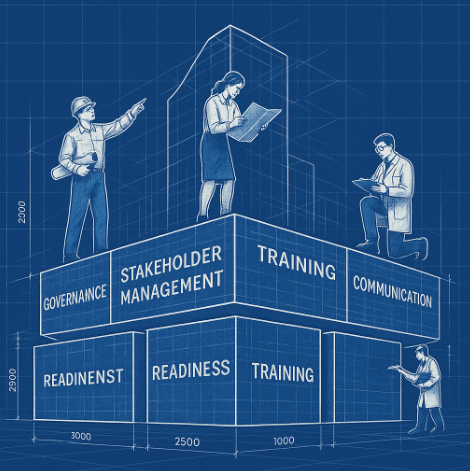
The Five Pillars of Effective Change
Just as a physical structure requires multiple foundational elements working in harmony, your change strategy must balance five essential components:
1. Organizational Change Governance
2. Stakeholder Management
3. Readiness Assessment
4. Training Strategy
5. Communication Planning
Each component serves a distinct purpose while reinforcing the others. The most successful transformations don’t over-index on one element at the expense of the others—they create a balanced approach that addresses both the structural and human aspects of change.
Let’s examine each component in detail.
1. Organizational Change Governance: Creating the Decision Framework
If your transformation were a building project, governance would be the structural engineering that ensures everything stands strong. It’s the system that determines how decisions are made, issues resolved, and accountability maintained.
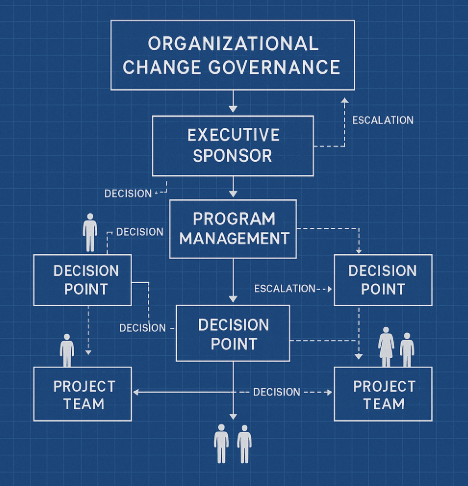
Figure 1: Governance Structure
What Questions Does Change Governance Resolve?
Effective governance answers critical questions about order and decision-making:
- Who makes which decisions about the change?
- How are issues identified, escalated, and resolved?
- How do we ensure accountability for both technical and human outcomes?
- What tools and templates will standardize our approach?
Why Change Governance Matters: The Accountability Challenge
Without clear governance, change initiatives often suffer from decision paralysis or inconsistent approaches. Teams struggle to resolve issues efficiently, leadership lacks visibility into progress, and accountability becomes diffused.
In contrast, well-designed governance provides the structure that enables everything else. It creates transparency about who decides what, establishes clear escalation paths, and ensures that both technical and human aspects of change receive appropriate attention.
Building Effective Change Governance
To create governance that enables rather than constrains your transformation:
Establish appropriate project oversight: Create or validate leaders’ decision-making responsibilities for the project. Ensure representation from both technical and business perspectives.
Define a transparent risk and issue resolution process: Create clear pathways for identifying, escalating, and resolving challenges. Document decision criteria to promote consistency.
Supply common tools and templates: Provide standardized tools that facilitate status reporting, risk management, and project execution. This creates a common language across workstreams.
Create balanced governance bodies: Design governance structures that balance strategic oversight with operational responsiveness. Consider tiered approaches that match decision authority with decision impact.
2. Stakeholder Management: Designing Your Relationship Architecture
No transformation happens in isolation. Your stakeholders—from executive sponsors to end-users—form the relationship ecosystem that ultimately determines whether change is embraced or rejected.

Figure 2: Stakeholder Mapping
What Questions Does Stakeholder Management Resolve?
Effective stakeholder management addresses fundamental questions about influence and support:
- Who will be affected by this change and how?
- Whose support is critical for success?
- How do we build and maintain commitment?
- Who can champion the change within their areas?
Why Stakeholder Management Matters: The Influence Network
The most technically perfect transformation can fail if key stakeholders aren’t engaged or supportive. Leaders who feel bypassed may withhold resources; end-users who feel ignored may create workarounds; middle managers who feel threatened may subtly undermine adoption.
Stakeholder management isn’t about manipulation—it’s about creating authentic engagement that addresses legitimate concerns and builds genuine commitment. It’s about recognizing that people experience change as individuals, not just as roles in an organizational chart.
Building Effective Stakeholder Management
To create stakeholder management that builds sustainable support:
Apply targeted stakeholder plans: Assign relationship owners to manage expectations and engagement with key stakeholders. Create tailored approaches based on stakeholder influence, interest, and impact.
Solicit meaningful input: Create mechanisms for stakeholders to provide genuine input that can shape aspects of the transformation. This builds ownership and ensures the solution addresses real needs.
Evaluate priorities continuously: Regularly assess stakeholders’ priorities relative to the project and desired future state. Recognize that these may evolve as the transformation progresses.
Extend involvement to “change champions”: Identify and empower project stakeholders who can help sustain momentum across the organization. Equip these champions with information and support to guide their peers through the change.
3. Readiness Assessment: Creating Your Diagnostic Blueprint
Before renovating a building, architects conduct structural assessments to identify strengths to leverage and weaknesses to address. Similarly, change readiness assessment evaluates your organization’s capacity to absorb and sustain change.
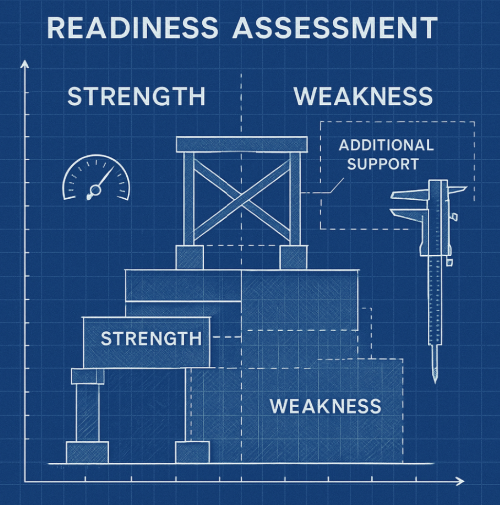
Figure 3: Organizational Assessment Diagram
What Questions Does Readiness Assessment Resolve?
Effective readiness assessment answers critical questions about capacity and capability:
- What organizational factors will enable or inhibit successful change?
- Where are the potential “hot spots” or risks that could derail implementation?
- What is the organization’s history with similar changes?
- What specific capabilities need to be built or strengthened?
Why Readiness Assessment Matters: The Preparation Advantage
Organizations often assume they can absorb any amount of change without considering their actual capacity. They launch transformations without understanding existing pain points, cultural factors, or historical patterns that might affect adoption.
Readiness assessment provides the baseline understanding that shapes your entire change approach. It helps you identify areas requiring additional support, recognize potential resistance points, and leverage existing strengths.
Building Effective Readiness Assessment
To create readiness assessments that provide actionable insights:
Conduct balanced assessment: Use interviews, focus groups, and/or surveys to evaluate the organizational factors that will influence change success. Look at both structural elements (systems, processes) and cultural aspects (values, behaviors).
Identify “hot spots”: Uncover specific risks that could impact implementation, such as competing priorities, resource constraints, or cultural barriers.
Determine management approaches: Based on assessment findings, develop tailored strategies to address identified challenges and leverage organizational strengths.
Adapt continuously: Recognize that readiness changes throughout the transformation journey. Create mechanisms to reassess and adjust your approach as the organization evolves.
4. Training Strategy: Building Your Capability Framework
Even the most intuitive systems require people to develop new skills, behaviors, or mindsets. An effective training strategy goes beyond software functionality to address the “why” behind the change and connect it to meaningful outcomes for users.
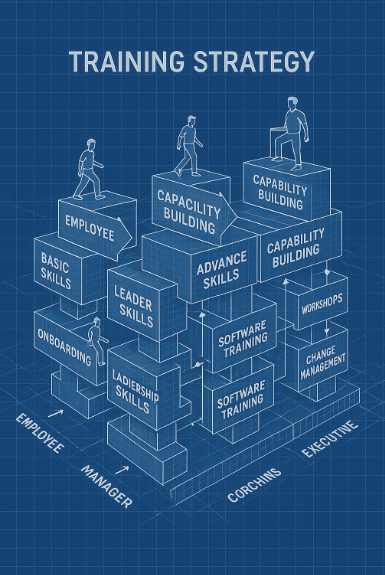
Figure 4: Training Architecture
What Questions Does Training Strategy Resolve?
Effective training strategy addresses fundamental questions about capability and skill:
- What new skills and knowledge will people need in the future state?
- What are the gaps between current and future capabilities?
- How do we design learning experiences that drive actual behavior change?
- How do we sustain and reinforce new skills after initial training?
Why Training Strategy Matters: The Capability Gap
Organizations often underestimate the learning curve associated with new systems or processes. They provide brief, functionality-focused training that fails to address the underlying behaviors and mindsets that drive adoption.
Effective training bridges the gap between current and future capabilities, giving people the confidence and competence to succeed in the transformed environment. It recognizes that learning is a journey, not a one-time event.
Building Effective Training Strategy
To create training that builds sustainable capability:
Develop tailored approaches: Create learning experiences that address the specific needs of different user groups. Recognize that executives, managers, and frontline staff may have different learning needs and preferences.
Focus on application, not just information: Design training that emphasizes practical application in real work contexts. Include opportunities for practice, feedback, and reinforcement.
Create a sustainability model: Identify and develop “super users” who can provide ongoing support after formal training ends. Create refresher materials and performance support tools that reinforce learning.
Measure learning effectiveness: Establish metrics that assess not just completion rates but actual skill acquisition and application. Use these insights to continuously improve your approach.
5. Communication Planning: Designing Your Dialogue System
Communication isn’t just about transmitting information—it’s about creating shared understanding and meaningful dialogue. Effective change communication addresses both rational and emotional aspects of change.

Figure 5: Communication Channels
What Questions Does Communication Planning Resolve?
Effective communication planning addresses fundamental questions about information and engagement:
- How do we create meaningful dialogue rather than one-way announcements?
- What messages will resonate with different audiences?
- How do we address concerns and misconceptions?
- How do we maintain consistent communication across multiple channels?
Why Communication Planning Matters: The Understanding Gap
Organizations often approach change communication as a broadcasting exercise—sending messages without creating channels for dialogue or feedback. They focus on what’s changing without adequately addressing why it matters and how it affects individuals.
Effective communication creates shared understanding that drives commitment and action. It recognizes that people need both rational explanation and emotional connection to embrace change.
Building Effective Communication Planning
To create communication that drives understanding and adoption:
Develop audience-centric messaging: Translate key themes from the business case into messages that resonate with different stakeholder groups. Focus on the “what’s in it for me” for each audience.
Create multi-channel approaches: Utilize multiple communication methods to reach stakeholders effectively. Recognize that different people consume information in different ways.
Establish feedback mechanisms: Create channels for two-way dialogue that allow people to ask questions, express concerns, and provide input. Use these insights to refine your approach.
Maintain consistency and frequency: Develop a cadence of communication that provides regular updates without creating information overload. Ensure messages are consistent across sources and channels.
The Integrated Change Architecture
While we’ve examined each component separately, they function most effectively as an integrated system. The connections between components are as important as the components themselves:
- Governance provides the structure for stakeholder engagement
- Readiness assessment informs training and communication strategies
- Stakeholder insights shape governance decisions and communication approaches
- Training reinforces communication messages through practical application
- Communication creates awareness and understanding that drive training participation

Figure 6: Integration Blueprint
This integrated approach ensures that your change architecture addresses both the structural and human aspects of transformation. It creates a foundation that can adapt to evolving needs while maintaining coherence and direction.
Building Your Change Architecture: Starting Points
As you begin developing your change architecture, consider these practical starting points:
- Conduct a brief architecture assessment: Evaluate your current approach against the five components. Identify areas of strength and opportunity for enhancement.
- Map component ownership: Determine who will be responsible for each aspect of your change architecture. Ensure clarity about roles and decision rights.
- Create integration points: Identify specific touchpoints where components must connect (e.g., using readiness findings to shape communication strategy).
- Develop key artifacts: For each component, determine the essential documents or tools needed. Focus on practical utility rather than excessive documentation.
- Establish regular architecture reviews: Create mechanisms to periodically assess and adjust your change architecture as the transformation evolves.
Looking Ahead: The Integration Blueprint
In our next post, we’ll explore how to integrate your change architecture with your technical implementation timeline. We’ll examine specific touchpoints between change and technical workstreams, creating a synchronized approach that maximizes adoption and value.
We’ll look at how user acceptance testing becomes a change management opportunity, how future-state process flows translate into capability development, and how to create an integrated project timeline that balances technical and human needs.